Kostní regenerace: Co to je a proč je klíčová pro zubní implantáty
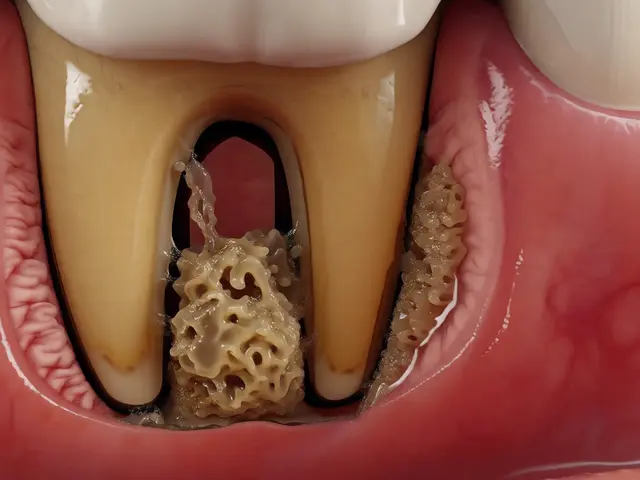
When you lose a tooth, your jawbone doesn’t just sit there—it starts to kostní regenerace, proces, při kterém se po ztrátě zubu obnovuje nebo doplňuje kost v čelisti. Also known as regenerace kosti, it is the foundation for any successful dental implant. Without enough bone, implants simply won’t hold. Many people think implants are just about screwing in a metal post, but the real magic happens below the gumline—where your body rebuilds what was lost.
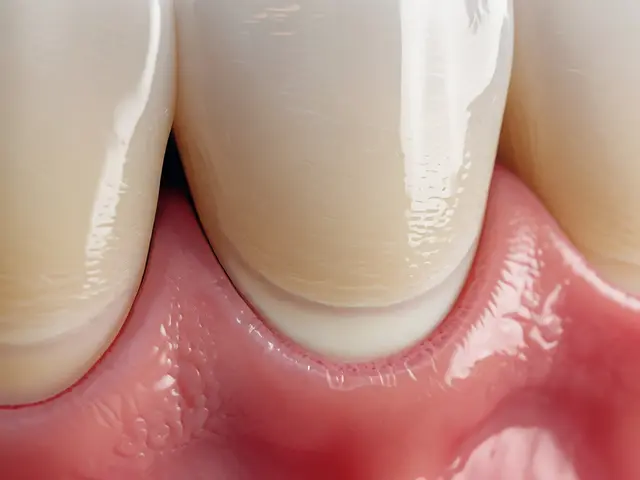
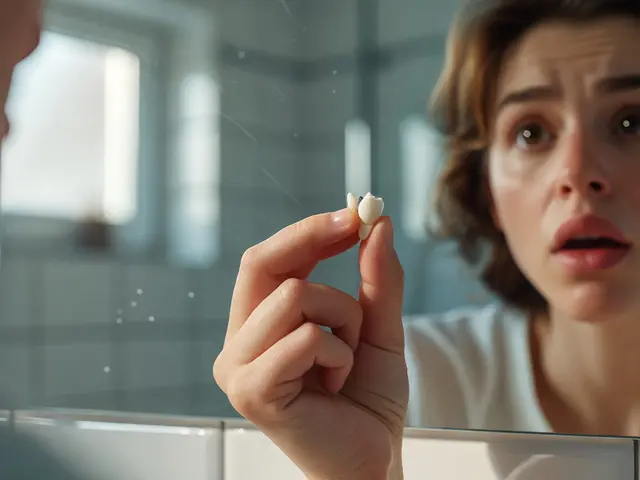
Think of your jawbone like a tree root system. If a root is gone too long, the soil around it crumbles. That’s exactly what happens after tooth loss. Over time, the bone shrinks, sometimes by half its original width. This isn’t just a cosmetic issue—it’s a structural one. If you’ve had missing teeth for years, or if you’ve worn dentures for a long time, your jaw might be too thin to support an implant. That’s when kostní regenerace becomes necessary. It’s not optional if you want a stable, long-lasting result. The process usually involves placing a special bone graft material—either from your own body, a donor, or synthetic sources—into the area where bone is missing. Then your body slowly replaces it with new, strong bone over several months.
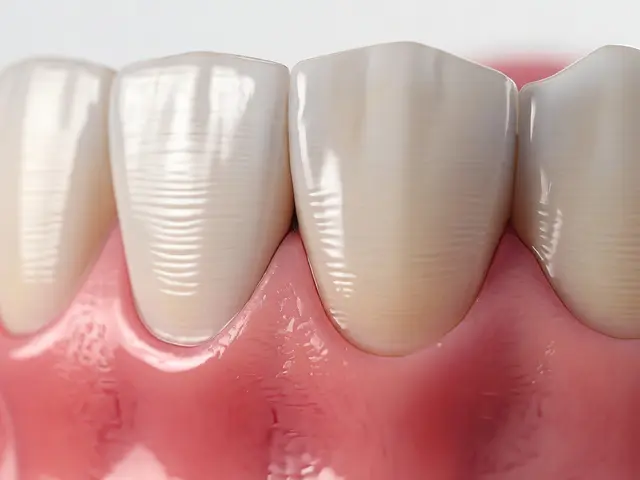
This isn’t just for people missing back teeth. Even front teeth matter. If you’re missing a front tooth and your jawbone has shrunk, you might end up with a sunken look under your lip. That’s why regenerace kosti is often done before or during implant placement. It’s not a luxury—it’s a standard step in modern dentistry. Many patients don’t realize they need it until they get a scan and see how much bone is gone. And yes, it adds time and cost, but skipping it means your implant could fail, or you’ll end up with an unnatural appearance.
What you’ll find in the articles below are real-life insights into how kostní regenerace connects to everything from implant costs to recovery times. You’ll learn why some people need it after extractions, how it affects the price of implants, and what happens if you wait too long. Some posts talk about the materials used, others about healing times or how it’s paired with procedures like All-on-4. You’ll also see how it relates to other issues like gum disease or teeth grinding, which can speed up bone loss. This isn’t theoretical. These are the facts people learn the hard way—after they’ve already lost bone and now face bigger bills and longer waits.

Jak dlouho se hojí kost po vytržení zubu? Co se děje v čelisti a jak rychle se obnoví
Hojení kosti po vytržení zubu trvá 3-6 měsíců. Zjistěte, co se děje v čelisti, jak zpomalit nebo urychlit regeneraci a proč je důležité nečekat, až vás bolí.